Published by The Dakota Scout, Op-Ed by Norman Woods
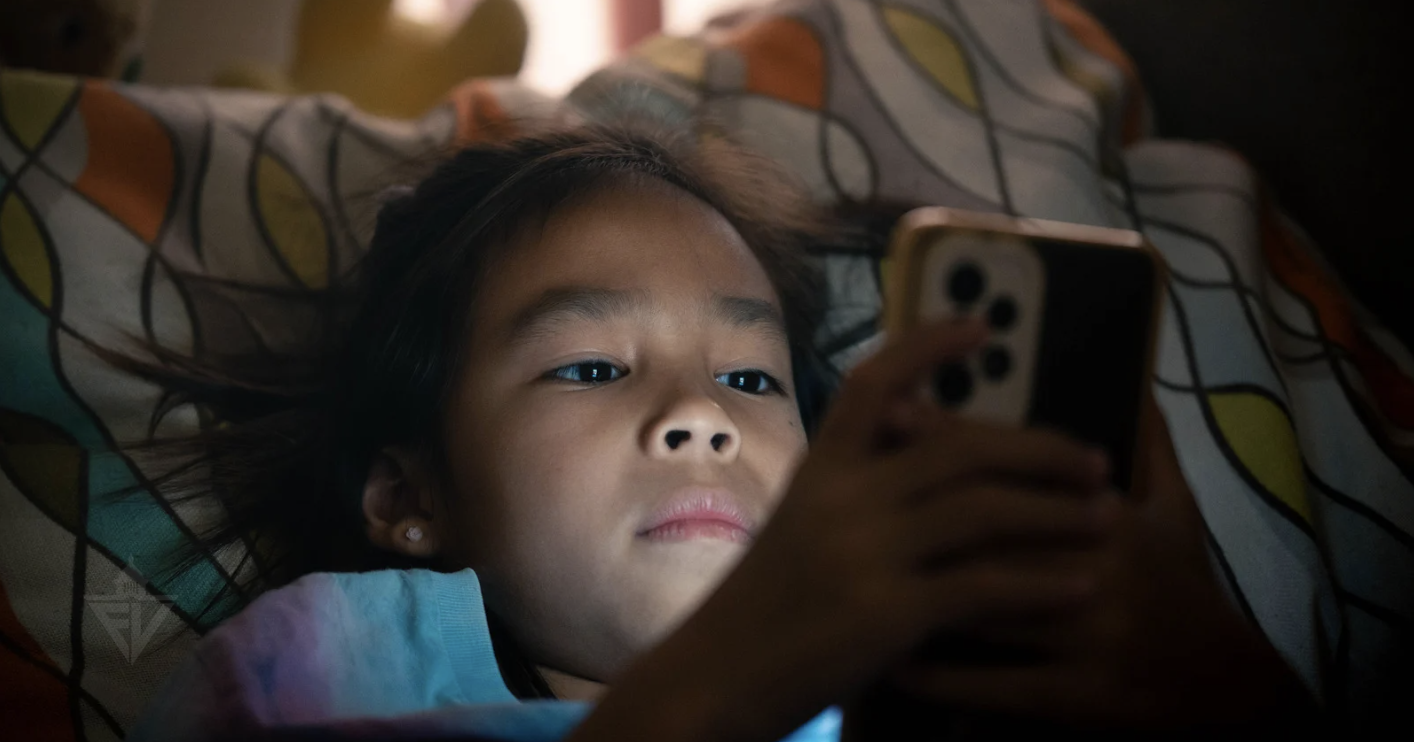
Teen mental health cratered right around 2012, the same moment smartphones and social media took over kids’ lives. Anxiety, depression, self-harm, loneliness and suicide all climbed sharply, with girls hit the hardest. Within a decade, the share of teen girls reporting a major depressive episode had nearly doubled, and hospitals saw a surge in emergency room visits tied to self-harm.
Jonathan Haidt’s book “The Anxious Generation” lays out the data, and a number of helpful books like Clare Morell’s “The Tech Exit” are assisting parents in their fight against big tech and advanced technology.
Judges and juries across our nation are recognizing the harm caused by big tech as well. A few weeks ago, Meta, owner of Facebook and Instagram, agreed to a $17 billion settlement with more than 45 state attorneys general, promising to take steps to avoid addicting kids to its platforms. South Dakota will be receiving over $50 million as a part of this settlement.
Attorney General Marty Jackley said the settlement helps set “a new national online standard” and places meaningful safeguards in place for kids. These guardrails include implementing more age-appropriate content controls and stronger parental controls, as well as lock-out periods along with time restrictions to curb addictive tendencies.
The legal battle centered around the fact that platforms like Meta, YouTube and others have designed their platforms to be addictive and have ignored the obvious known harms to children.
While companies rarely want to be regulated, a Meta spokesman admitted to reporters that legislation would be the best answer to the issues the lawsuit addresses – and the U.S. Senate is nearing the finish line on one such piece.
With broad bipartisan support, the Kids Online Safety Act – KOSA –would protect free speech but put limits on how and when children use social media and the internet, creating the industry-wide standards that Meta claims it wants and that our families need.
South Dakota’s Sen. John Thune, majority leader for the U.S. Senate, is a co-sponsor of the legislation and has been advocating for its passage since the beginning. He has been pointing to the need for “more transparency” when it comes to the amplification or suppression of content and wants to hold these companies accountable for their “manipulative algorithms.”
KOSA would simply achieve three main things: require that optional safety features be turned on by default, provide better reporting mechanisms for harmful content and regulate the use of addictive algorithms by putting prevention measures in place.
There’s no doubt that parents have the primary responsibility for their children. That’s the way it should be, both to safeguard individual freedom and to respect the priorities and boundaries parents set for their kids.
But when it comes to keeping children safe from the harms they face in the online world, parents can’t do it alone. No matter how vigilant they are, no matter how careful about monitoring screentime, parents can’t on their own provide sufficient protection from predators and the dangerous, violent and explicit content that easily spreads online – especially when the companies themselves are often working against the parents’ efforts.
Leaving children exposed to these dangers has led to a mental health crisis among young people. If we don’t act, more children will suffer as a result.
Waiting longer to hand kids a smartphone, turning on stronger parental controls, doing a family digital detox and setting firmer limits on screentime all help. Safeguards like these are the responsibility of the parents. What parents aren’t responsible for is ensuring that billion-dollar companies do not engage in predatory behavior. Cultivating a healthy use of technology is a parent’s job; regulating behemoth companies is the government’s.
Passing KOSA and creating a “duty of care” for online platforms would be a major step forward in the fight to protect kids. It places the proper amount of responsibility on the tech companies without usurping the role of parents.
That next step can take place this month if the bill gets a vote on the Senate floor when the chamber is back in session. More than three-quarters of the senators have cosponsored KOSA, and the finish line is within sight.
A version of the bill has already passed the U.S. House. We need the U.S. Senate to pass its own version so that U.S. House and Senate leaders can negotiate over the differences, and we can finally have the first new federal law specifically drafted to protect kids online in almost 30 years.
Parents – including too many moms and dads whose children died from online harms – have been fighting to pass KOSA for more than four years. If the bill doesn’t get a Senate vote this month, its chances of passing this year are slim, and KOSA would have to start all over in the new Congress.